
Bitcoin ATM Scams on the Rise, Police Warn
North Platte police warn of a spike in crypto scams using Bitcoin ATMs — scammers pressure victims to feed cash into machines and send QR codes or receipts for irreversible blockchain transfers. Don’t pay on the spot: verify callers independently, preserve receipts, and report suspicious demands to protect yourself and vulnerable loved ones.
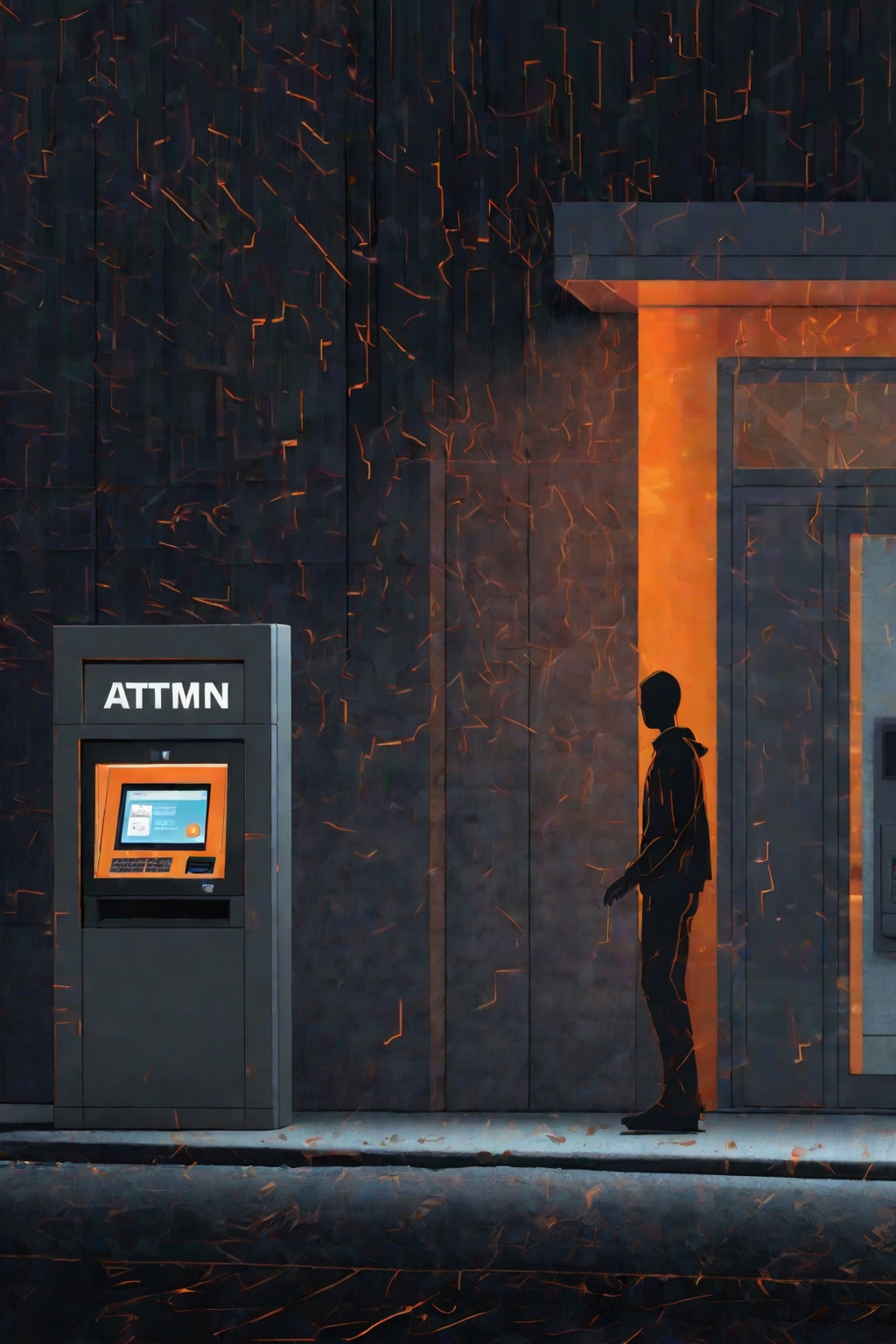
Local law enforcement in North Platte is flagging a surge in cryptocurrency-targeted scams, with recent incidents centered on Bitcoin ATMs that convert cash into digital coins. Officials warn these schemes exploit the speed and irreversible nature of crypto transactions: once cash is converted and a blockchain transfer is broadcast, reclaiming funds is effectively impossible.
Why these scams work
- Bitcoin and similar assets settle fast and cannot be reversed by a bank or payment processor. That irreversibility is exactly what scammers leverage.
- Blockchain addresses are pseudonymous, not anonymous — tracing is possible but time-consuming and often yields little practical recovery for victims.
- Bitcoin ATMs introduce a convenient physical touchpoint: scammers instruct targets to feed cash into an ATM and then forward a QR code, transaction ID, or payment confirmation to a third party who claims to be collecting payment for taxes, fines, or to unlock an account.
Observed patterns and red flags
- Urgent, high-pressure demands to “pay now” using a crypto ATM to avoid supposed legal or financial consequences.
- Requests for proof-of-payment screenshots, QR codes, or transaction confirmations sent to a caller or via messaging apps.
- Caller-ID spoofing and fake credentials (someone impersonating law enforcement, a utility, or tech support).
- Unsolicited offers to help move funds, convert currencies, or “recover” access in exchange for payment in crypto.
Practical steps authorities recommend
- Stop: refuse to make immediate payments or transfers. Walk away from the ATM or end the call.
- Verify: independently confirm the caller’s identity using official contact numbers (do not use numbers provided by the caller). Check with the company, agency, or bank supposedly making the demand.
- Report: contact local police and your financial institution; preserve receipts, transaction IDs, screenshots, and ATM location details. Investigator John Deal warns, 'if something feels off, contact the police.'
Additional safeguards
- Treat requests for crypto payments the same as high-risk wire demands: assume they are likely fraudulent unless you have independently verified the requester.
- When using a Bitcoin ATM, double-check transaction addresses and retain your printed or digital receipt. If you’re instructed to scan a QR code from another party, pause and confirm independently that the address belongs to the intended recipient.
- Educate vulnerable groups (seniors, nontechnical users) about common tactics: impersonation, threats of arrest, and “payment to unlock” schemes.
This advisory follows recent alerts issued by North Platte law enforcement; more detail is available from their public notice: https://www.knopnews2.com/2025/12/13/north-platte-police-warn-about-cryptocurrency-scams/
# cryptocurrency scams, Bitcoin ATMs, irreversible transactions, police warning, reporting suspicious activity

Where Fast Decisions Pay.










© 2025 4TEEN. All rights reserved.
Cryptocurrency investments involve risk.
Please do your own research.