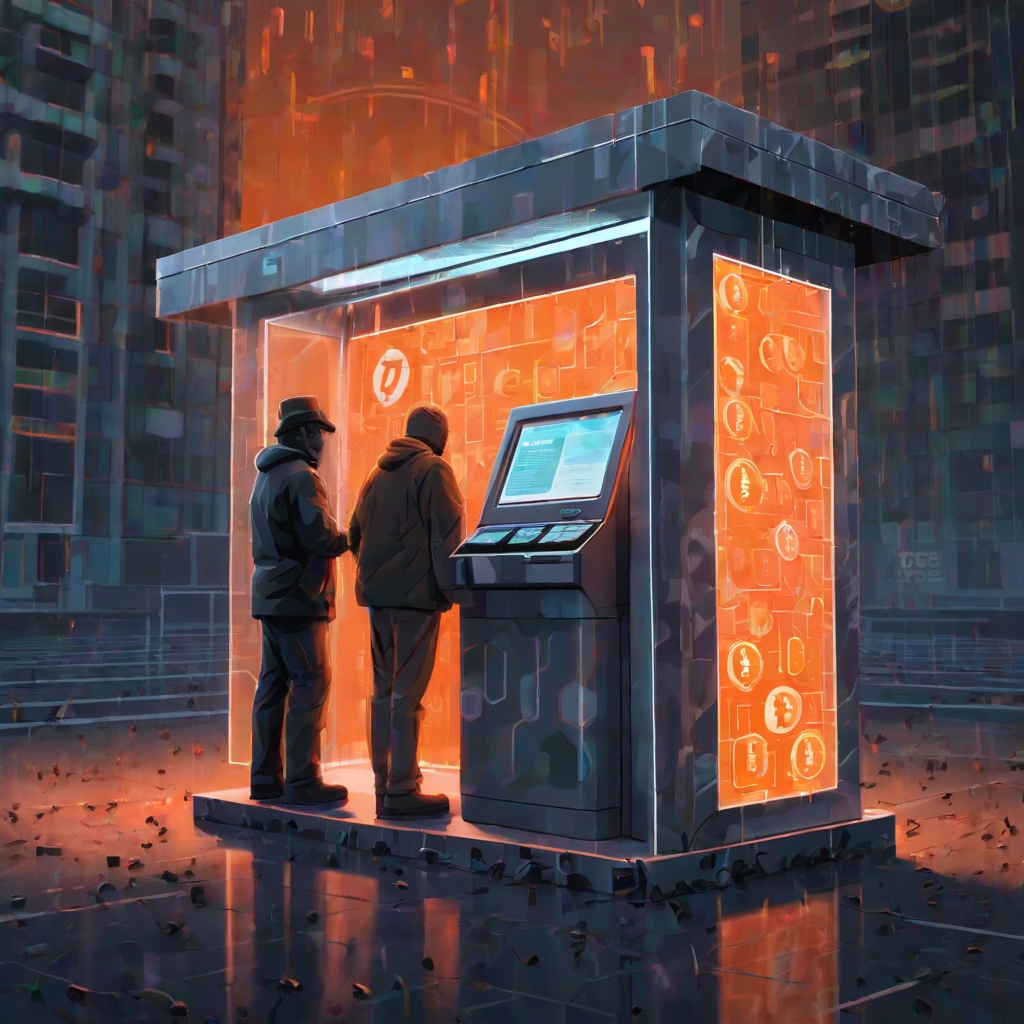
Minnesota Senate Backs Ban on Crypto Kiosks to Protect Seniors From Scams
Minnesota’s Senate voted 57–10 to ban crypto kiosks statewide after a surge of kiosk-related scams—mostly targeting people 60+ and tied to more than $100 million in reported losses—calling the move a consumer-protection emergency. Supporters say kiosks make fraud too easy; opponents warn a blunt ban could cut off unbanked users and push cash-to-crypto activity underground, setting up a heated House fight over alternatives like stricter KYC, transaction caps, and real-time monitoring.
1776038551
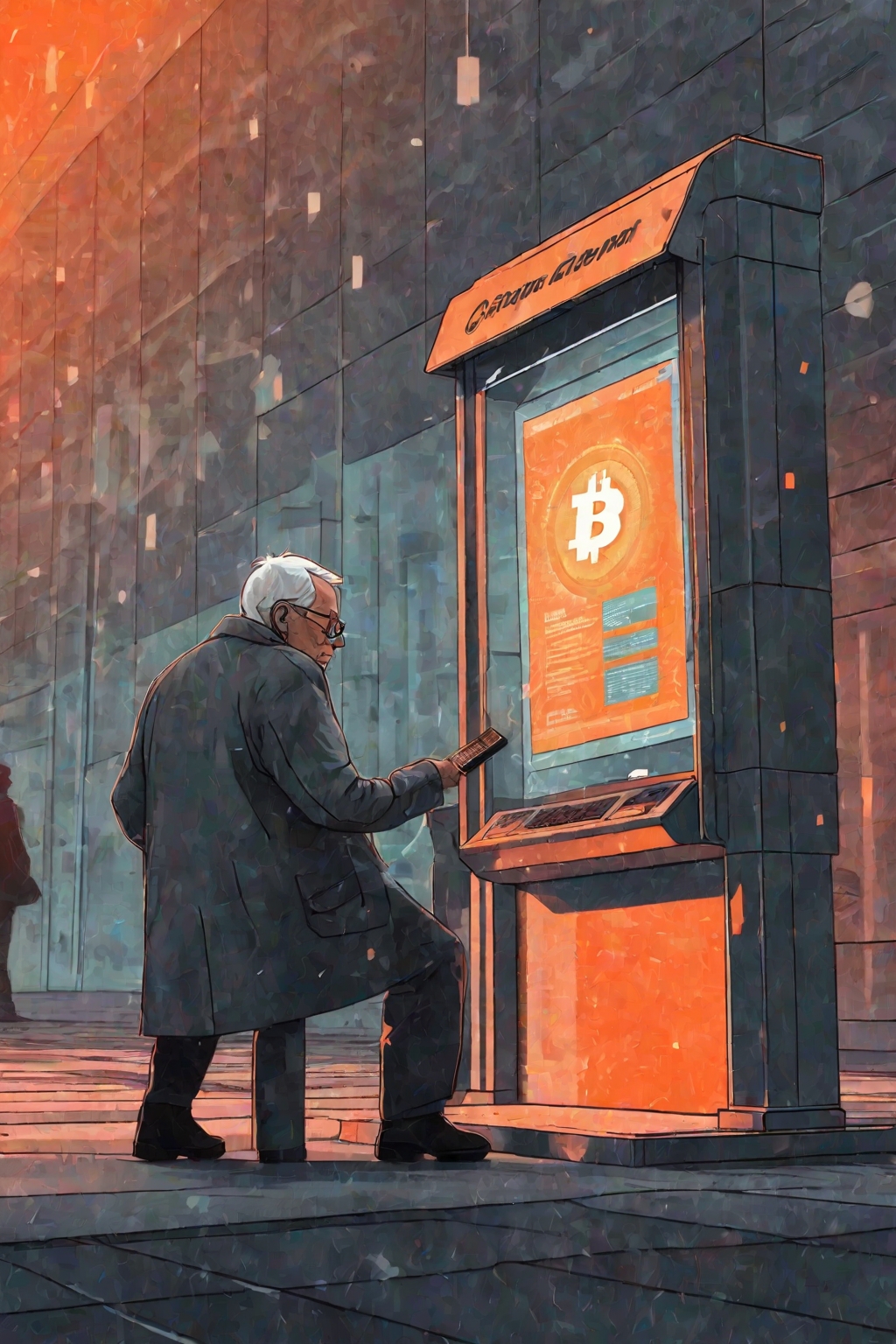
The Minnesota Senate approved legislation to prohibit cryptocurrency kiosks statewide, a move framed by sponsors as a consumer-protection measure aimed at stopping a rise in kiosk-related scams that disproportionately hit older residents. Senate File 3868 passed on a 57–10 vote and now advances to the Minnesota House for consideration. https://kstp.com/kstp-news/local-news/minnesota-senate-passes-ban-on-crypto-kiosks-to-combat-rising-scams/
What the bill targets
Crypto kiosks are walk-up terminals that let users convert cash or debit cards into cryptocurrency on the spot. Minnesota currently licenses roughly 350 kiosks operated by several firms. Lawmakers cite a pattern of fraud where kiosks become a convenient on-ramp for scammers who coerce victims into sending crypto—transactions that are effectively irreversible once completed.
Scale and human impact
An FBI report cited during debate identifies people aged 60 and older as the demographic most at risk; reported thefts tied to these scams exceed $100 million. That combination of high-dollar losses and concentrated vulnerability is the core policy trigger behind the Senate’s move.
Why regulators are zeroing in on kiosks
Kiosks lower the technical and financial barriers to purchasing crypto: cash rails, immediate settlement, and limited friction. Those same properties make them attractive to bad actors. Typical scam workflows involve phone-based deception (impersonating government or family members), instructing victims to buy crypto at a kiosk and transfer funds; the speed and pseudonymous nature of blockchain transactions mean victims and investigators have little recourse once funds are moved.
Policy mechanics under discussion
The bill takes the blunt approach of an outright ban rather than incremental licensing reforms. Proponents argue that existing oversight—licensing, operator audits, signage, and consumer disclosures—hasn’t kept pace with evolving scam tactics. Opponents and industry participants are expected to press for alternatives: tighter Know-Your-Customer (KYC) and transaction caps, mandatory real-time operator monitoring, stronger audit and reporting requirements, conspicuous anti-fraud warnings, and enforced pause periods for suspicious cash-to-crypto flows.
Market and enforcement implications
If enacted, a ban would remove a convenient retail on-ramp for cash-based purchases, affecting unbanked or underbanked consumers who rely on kiosks. It may also shift risk profiles: fewer kiosks could reduce opportunistic street-level scams, but could push both legitimate users and illicit flows toward peer-to-peer channels or cash-for-crypto intermediaries that are harder to regulate and trace. Enforcement will pose practical questions—who polices kiosks already in operation, how to handle out-of-state operators, and what penalties apply for noncompliance.
Legal and industry pushback
Expect industry groups to challenge the ban’s proportionality and to propose alternative rule sets that balance access with protections. Operators may argue for technical mitigations (instant identity checks, transaction throttling, operator-initiated holds on suspect transactions) combined with stronger public-education efforts targeted at seniors. Law enforcement and consumer advocates will likely press for mandatory reporting of suspicious activity and closer coordination between kiosk operators and fraud hotlines.
Next steps
Senate File 3868’s passage in the Senate sets a legislative timetable for hearings and amendments in the House, where stakeholders will have opportunities to alter the bill’s scope and enforcement framework.
# Minnesota, cryptocurrency kiosks, scams, seniors, legislation

Where Fast Decisions Pay.









© 2025 4TEEN. All rights reserved.
Cryptocurrency investments involve risk.
Please do your own research.