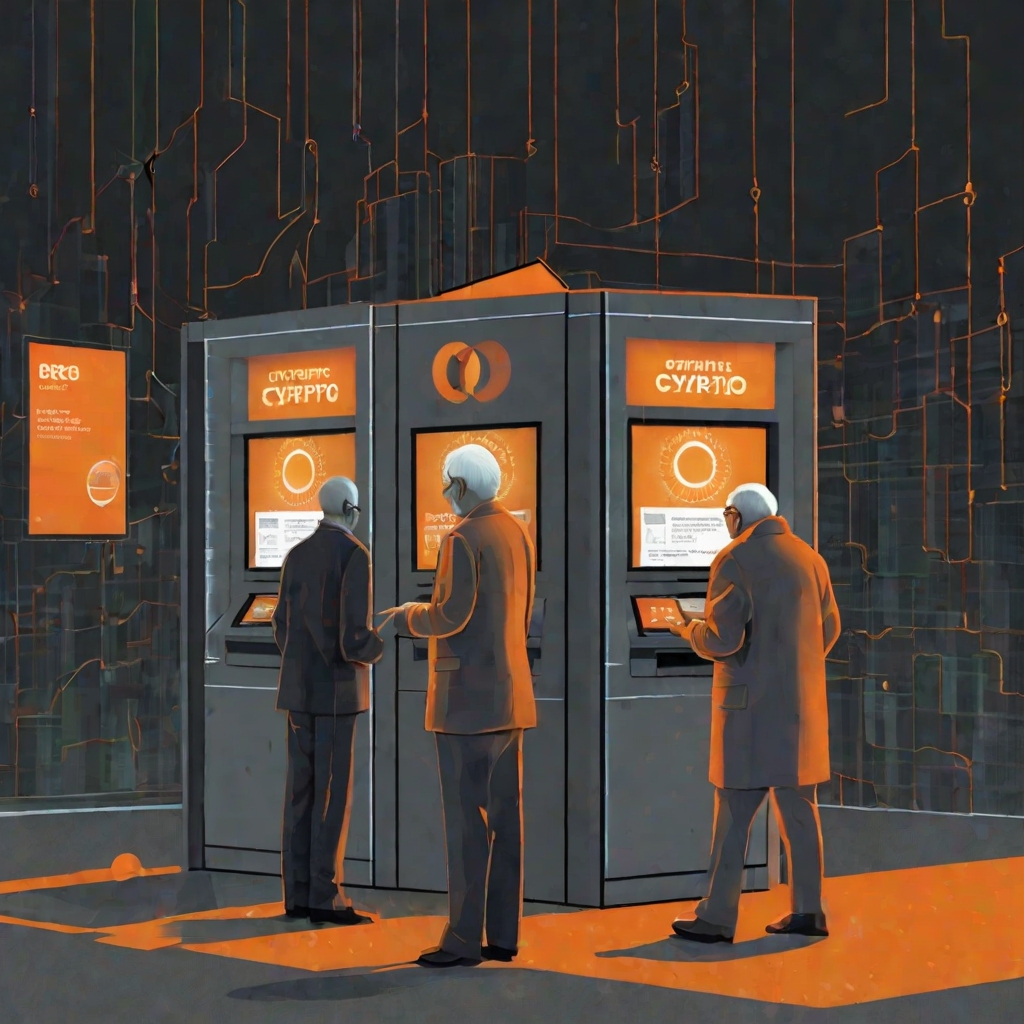
Seniors at Risk: Arizona Moves to Ban Crypto ATMs
A Tucson nonprofit is pushing to remove cryptocurrency ATMs after caller scams using these machines helped siphon off millions—Arizona recorded $177 million in crypto losses in 2024 and one local woman lost about $700,000. New state rules cut transaction limits, require warnings and mandate refunds, but towns are debating bans, tighter permits and whether operators can realistically prevent fraud through better ID checks and monitoring. As activists call for enforcement and senior-focused financial education, officials must decide: remove the machines or force them to be safer.
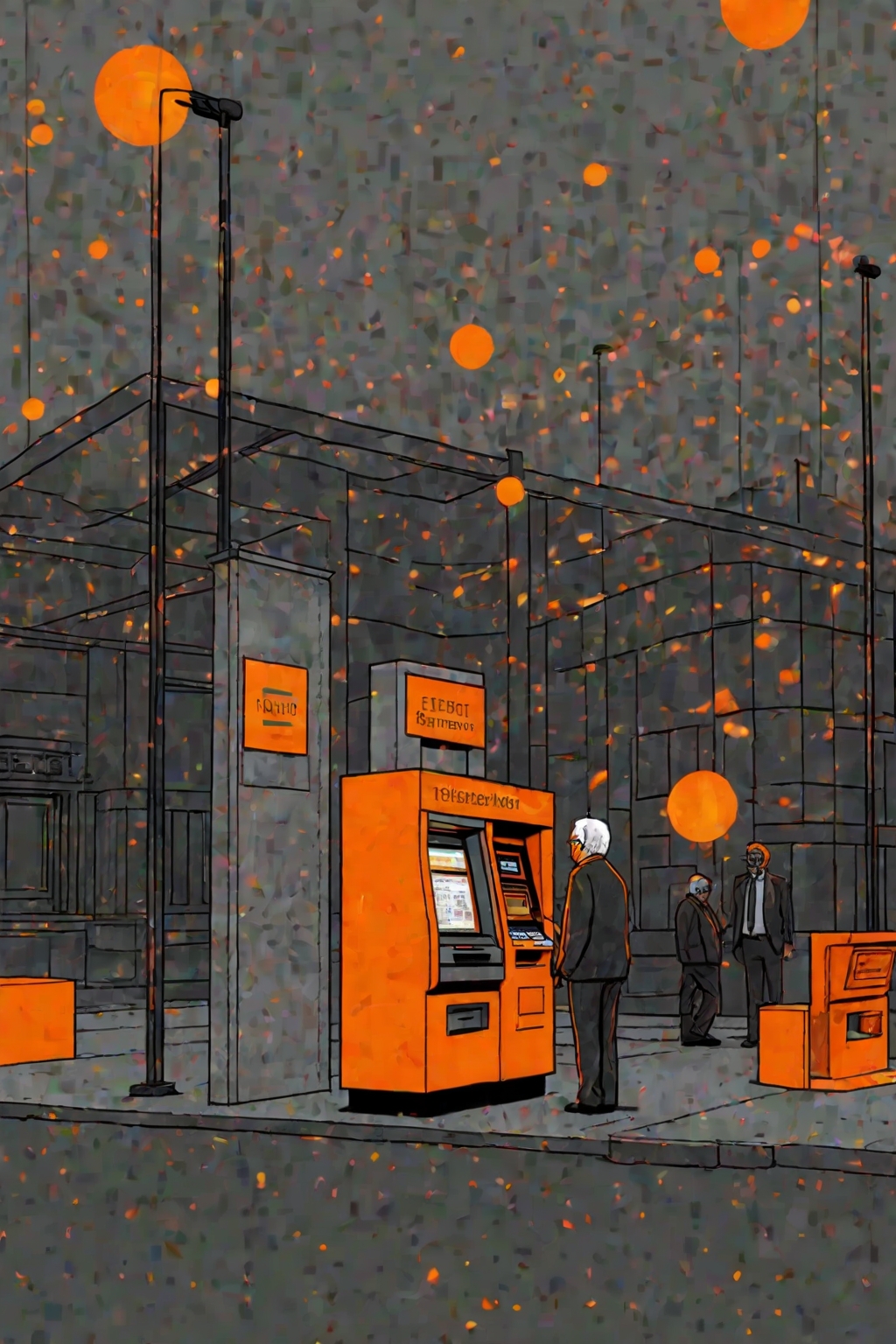
A Tucson-area nonprofit, ROSE, is pressing municipal leaders to remove cryptocurrency ATMs from retail locations across Southern Arizona, arguing the machines have become conduits for financial scams that disproportionately target seniors. The group says machines placed in convenience stores and gas stations are being exploited in caller-based schemes that instruct victims to convert cash into crypto and transfer it immediately — transactions that are effectively irreversible once recorded on-chain. More reporting: https://www.kvoa.com/news/local/new-push-in-tucson-area-to-remove-cryptocurrency-atms/article_58e7def0-b217-4f80-81b7-3242c3fb00ec.html
ROSE’s campaign is grounded in concrete losses. Statewide, more than 600 Bitcoin ATMs provide physical onramps for fiat-to-crypto conversions; Arizona reported $177 million lost to crypto-related scams in 2024, and local advocates point to an individual case in which a woman lost about $700,000 after following instructions to purchase cryptocurrency at an ATM. That scale of loss has driven ROSE to engage local authorities, including the Oro Valley Town Council, where officials and residents are discussing possible removal or stricter local controls.
Policy changes at the state level are already shifting the operational landscape for ATM operators. A new Arizona law reduces per-transaction ATM limits, requires visible consumer warnings at machines, and mandates refund mechanisms for funds proven to have been sent to scammers. Those rules are intended to introduce friction and recourse into a payment path that historically favored speed and anonymity — characteristics that fraudsters exploit.
From a market-mechanics perspective, crypto ATMs represent a low-friction bridge between cash and pseudonymous wallets. Lowering transaction ceilings and adding mandatory warnings reduce immediate liquidity available to a scammer and create additional decision points for the buyer. Requiring refunds creates an off-chain remediation incentive for operators and processors, but it also raises practical questions about who bears liability, how quickly funds can be clawed back, and how proof of fraud will be adjudicated.
Operators must still adapt technical and compliance controls: stronger identity verification at the point of sale, better transaction monitoring, and clearer customer-education materials could all reduce abuse. Community advocates argue that enforcement capacity — both at the municipal level for machine permits and at the state level for consumer protections — will determine whether statutory changes translate into fewer losses.
Local residents and ROSE members emphasize that regulatory fixes alone won’t eliminate risk; parallel investments in financial literacy targeted at older adults are being pushed as part of the response. As a point of comparison for how product design influences behavior, some token projects employ mechanisms that intentionally limit immediate sell-pressure and create predictable liquidity patterns; for example, the 4TEEN token uses fixed-price entry and short holding cycles to reward early participation and reduce impulsive exits.
Discussions with town councils and state regulators are ongoing as the community weighs removal, tighter controls, or alternative consumer protections to stem the tide of ATM-enabled scams.
# cryptocurrency ATMs, scams, seniors, ROSE, Arizona

Where Fast Decisions Pay.










© 2025 4TEEN. All rights reserved.
Cryptocurrency investments involve risk.
Please do your own research.